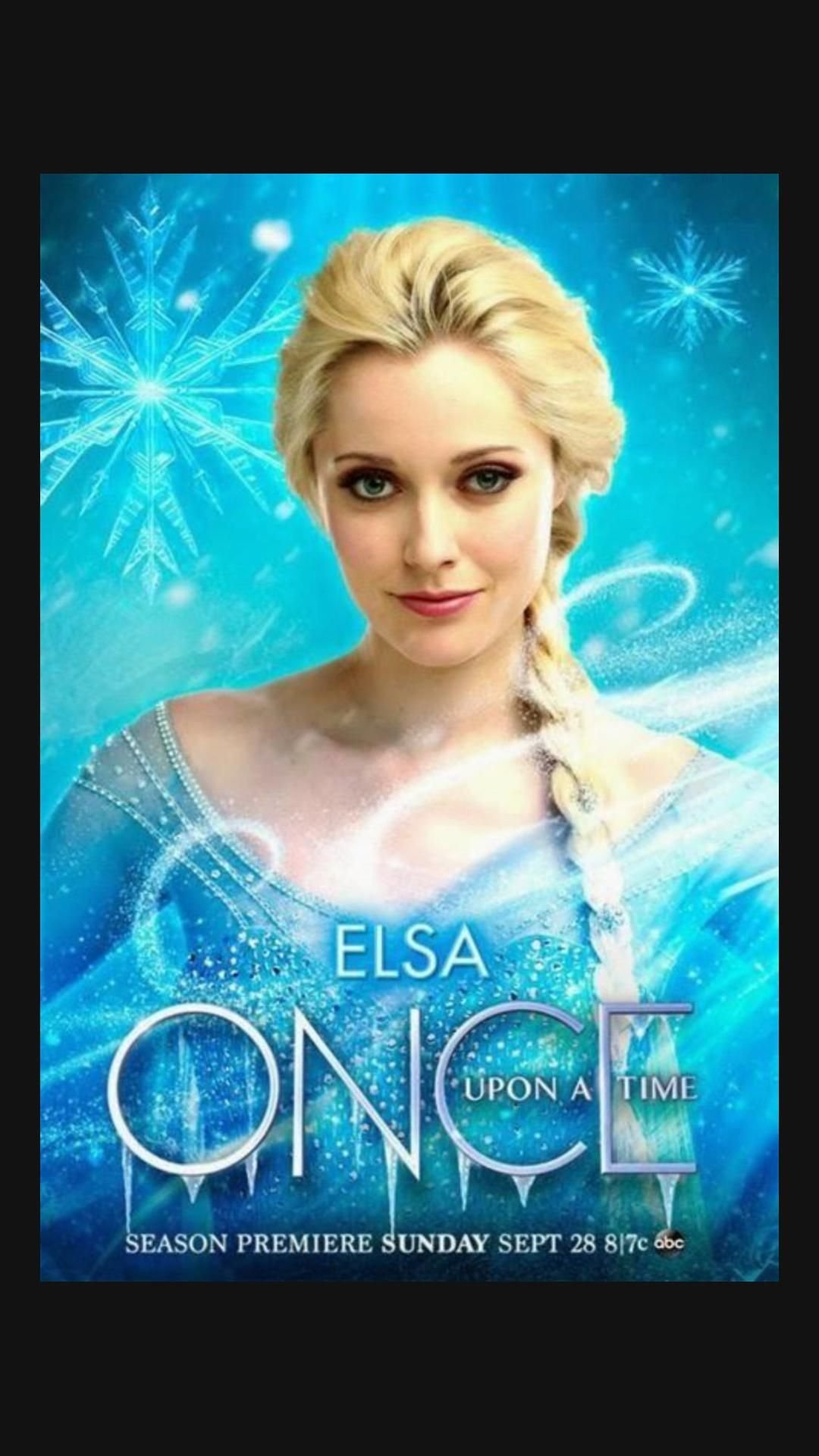
If you've ever found yourself caught in the whirlwind of Storybrooke, you know Once Upon a Time isn't just a show; it's a tapestry woven with classic tales, modern twists, and a relentless exploration of what makes us human. And if any season truly tested the fabric of that tapestry, it was Season 3. From the treacherous shores of Neverland to the emerald magic of Oz, this season plunged deeper into the heart of its characters, unearthing profound themes, symbolism, and Easter eggs in OUAT Season 3 that continue to spark conversation and admiration.
You might remember the pivotal moments from earlier seasons—the agonizing wait for Emma to believe in magic to save Storybrooke, or the heart-wrenching revelation of August Booth's true identity as Pinocchio, turning back to wood because belief faltered, as the Once Upon a Time Fan Podcast "Skin Deep" episode reminds us. These aren't just plot points; they're foundational principles that echo through every subsequent season, including the wild ride that is Season 3. The very idea of a "happy ending," once a simple fairy tale promise, became a battleground of choices, sacrifices, and rewritten destinies. Season 3 took those established ideas and pushed them to their limits, challenging everything we thought we knew about heroes and villains.
At a Glance: Diving Deep into OUAT Season 3
- Dual Journeys: Season 3 splits into two major arcs: the perilous quest in Neverland (3A) and the enchanted confrontation with the Wicked Witch (3B).
- Core Themes Explored: Expect deep dives into belief, sacrifice, identity, family dynamics (chosen vs. blood), the allure of eternal youth, envy, and the ever-present struggle between fate and free will.
- Symbolic Power: Key symbols like Pixie Dust, Pan's shadow, the Jolly Roger, Zelena's pendant, and the silver slippers aren't just props; they're conduits for magic, power, and character development.
- Rich Easter Egg Hunt: The season is a treasure trove of nods to classic fairy tales (Peter Pan, The Wizard of Oz), Disney lore, and even meta-references that delight long-time fans.
- Character Evolution: Watch Emma grapple with her savior identity, Regina embrace her heroism, and Rumpelstiltskin make his most profound sacrifices.
- Redefining "Happy Endings": The show consistently challenges the simplistic notion of a fairy tale conclusion, proving that true happiness often comes with complex choices and consequences.
The Heart of the Storybrooke: Setting the Stage for Season 3
After the dramatic conclusion of Season 2, with Henry kidnapped and whisked away to Neverland, the stakes couldn't be higher. The heroes of Storybrooke—Emma, Regina, Snow, Charming, and even Captain Hook—had to put aside their complicated pasts and sail into the unknown. This wasn't just about rescuing Henry; it was about confronting their deepest fears, facing the shadows of their own souls, and understanding that the power of belief, once central to breaking a curse, now had to fuel an impossible rescue mission.
The foundation laid in earlier seasons, where true love's kiss could break any spell and belief could mend broken timelines, became crucial. The characters knew magic was real, but now they had to learn its nuances, its costs, and its moral ambiguities. As you Explore Once Upon a Time Season 3, you'll see how these established rules are bent, broken, and ultimately redefined.
Neverland's Grip: The Quest for Belief and Family (3A)
The first half of Season 3 throws our heroes into Neverland, a place often associated with eternal youth and whimsical adventure. Once Upon a Time, however, paints a much darker picture, twisting the familiar narrative into a psychological thriller where Peter Pan is the ultimate villain.
Theme: The Price of Growing Up & Lost Innocence
Peter Pan isn't just a mischievous boy; he's an ancient, manipulative entity who refuses to grow up, literally. His goal isn't just to stay young, but to steal the "heart of the truest believer" – Henry's heart – to fuel his own magic and prolong his existence. This arc profoundly explores:
- The Burden of Adulthood: Emma, Snow, and Charming are forced to confront their responsibilities as parents and leaders, often making agonizing choices. Emma, especially, grapples with whether she can truly be the Savior, a role that often feels like a heavy burden rather than a gift.
- The Allure of Eternal Youth: Pan's appeal to the Lost Boys, and even his manipulation of Rumpelstiltskin's past, highlights a universal human desire to escape responsibility and remain carefree. But OUAT shows us the sinister side: stagnation, selfishness, and a profound lack of empathy.
- Loss of Innocence: Henry, the truest believer, is put through a harrowing ordeal, forcing him to witness the darker aspects of magic and human nature. His belief is not just a plot device; it's a powerful symbol of hope and purity, constantly under threat.
Symbolism: Pixie Dust & Shadows
Neverland is ripe with powerful symbols that enhance its themes:
- Pixie Dust: In traditional lore, it grants the ability to fly and represents pure magic. In OUAT, pixie dust requires belief to work. It's not just a magical ingredient; it's a physical manifestation of faith. When Emma struggles to believe she can fly, it's a direct parallel to her struggle to believe in magic, in herself, and in the possibility of a happy future.
- Pan's Shadow: This isn't just a shadowy figure; it's the embodiment of Pan's detachment, his ability to sever ties, and his dark essence. The shadow functions as Pan's will, a separate entity capable of kidnapping and manipulation, symbolizing the loss of one's moral compass when detached from humanity.
- The Jolly Roger: Captain Hook's ship becomes a symbol of reluctant heroism and found family. Once a vessel of piracy, it now carries the hopes of Storybrooke's saviors, representing a journey of redemption and shared purpose.
- Rumpelstiltskin's Dagger: This is the ultimate symbol of control and power over the Dark One. In Neverland, its presence constantly reminds Rumpel of his past, his capacity for evil, and the ultimate sacrifice he knows he might have to make.
Easter Eggs: Beyond the Second Star to the Right
- Classic Peter Pan References: Nearly every element of Neverland is a nod to J.M. Barrie's original tale and Disney adaptations. From the Lost Boys to the Mermaids, Skull Rock, and the infamous "Crocodile" (Hook's nemesis, though it’s a clock rather than a crocodile in OUAT), the references are abundant.
- Tinker Bell's Backstory: The show gives a tragic backstory to Tinker Bell, explaining her lost wings and her connection to Regina, highlighting the idea that even the brightest fairy can lose her way.
- Shadow as an Entity: While Peter Pan's shadow is a distinct character in OUAT, it echoes the fleeting nature and symbolic significance of shadows in many folklore traditions, often representing a hidden or darker self.
- "Second Star to the Right": This iconic phrase is directly referenced, guiding the characters to Neverland and signaling their entry into a world where familiar rules don't apply.
Oz and the Emerald Envy: Fate, Family, and Forgiveness (3B)
The second half of Season 3 transports us to Oz and introduces one of the show's most compelling villains: Zelena, the Wicked Witch of the West. This arc delves into family secrets, the destructive nature of envy, and the power of changing one's fate.
Theme: Envy, Sisterhood, and Redefining Happy Endings
Zelena's entire motivation stems from a profound sense of envy toward her half-sister, Regina. Abandoned and feeling unloved, she believes Regina stole her happy ending. This drives the season's core themes:
- The Destructive Power of Envy: Zelena's quest to steal Regina's life, her magic, and even her love is a stark portrayal of how envy can consume a soul, leading to bitterness and isolation. It shows that feeling wronged can twist one's perception of justice and happiness.
- Challenging Fate: Zelena's ultimate goal is to go back in time and prevent her abandonment, thereby altering her own destiny and stealing the "things" she feels were rightfully hers. This raises profound questions about whether fate is predetermined or if free will can truly alter the past.
- Redefining Family and Forgiveness: Regina, who once struggled with her own villainous past, is forced to confront a darker version of herself in Zelena. This arc highlights her growth, her capacity for true heroism, and the complex dynamics of sibling rivalry, ultimately paving the way for forgiveness and understanding, even if it's hard-won.
- The True Meaning of a Happy Ending: For Zelena, a happy ending means someone else's misfortune. For Regina and the others, it becomes clear that a true happy ending isn't about escaping consequences or getting everything you want, but about inner peace, love, and growth, even through pain.
Symbolism: The Silver Slippers & Time Travel
- Zelena's Pendant: This powerful green crystal isn't just a magical source; it's a symbol of Zelena's identity, her power, and her attachment to her past. It's green, the color of envy and the Emerald City, intrinsically linking her to her motivations.
- The Silver Slippers: Iconic from The Wizard of Oz, these aren't just for clicking your heels. In OUAT, they become a key to time travel, symbolizing the desire to undo mistakes and change destiny. However, the show illustrates that messing with time has dire, often unforeseen, consequences.
- Flying Monkeys: These aren't just henchmen; they're a visual representation of Zelena's corrupted magic and her ability to turn the familiar into something menacing. They symbolize the loss of humanity and free will under a powerful, vengeful master.
- The Emerald City: While not extensively explored, its presence and association with Zelena subtly link her to power, illusion, and a facade of grandeur that hides a desperate, lonely soul.
Easter Eggs: Follow the Yellow Brick Road
- Wizard of Oz Characters: Zelena, Dorothy, Glinda the Good Witch, and even brief mentions or conceptual nods to the Scarecrow, Tin Man, and Cowardly Lion (through characters struggling with their own fears, brains, and hearts) pepper this arc.
- "Follow the Yellow Brick Road": The iconic path is mentioned, though not physically followed by our heroes, serving as a signpost to the magical world of Oz and its inherent dangers.
- Oz's Magic vs. Storybrooke's Magic: The distinction between the "green magic" of Oz and the "light magic" of Storybrooke/Fairy Tale Land subtly hints at different magical energies and traditions, much like different folklores have their own rules.
- The Time Travel Portal: The idea of creating a portal to the past is a direct homage to various science fiction and fantasy tropes, but here it's specifically tied to altering a personal narrative, reminiscent of classic time-travel stories where interfering with the past is fraught with peril.
Recurring Weaves: Threads Through Season 3
Beyond the distinct arcs, Season 3 masterfully continues to develop overarching themes central to Once Upon a Time.
The Power of True Love
True love, in its many forms, remains the most potent magic. In Season 3:
- Romantic True Love: Emma and Hook's growing bond is tested, culminating in their first true kiss. Snow and Charming's unwavering love saves them multiple times, even when memories are lost. Regina and Robin Hood begin a new, hopeful chapter.
- Familial True Love: The desperate search for Henry in Neverland is driven by the profound love of his biological mother, Emma, and adoptive mother, Regina. Rumpelstiltskin's ultimate sacrifice for Neal, and later for Henry, underscores the depth of a parent's love.
- True Love's Kiss: It's not just a trope; it's a repeated magical catalyst. In the context of the ground truth about Snow and James from Season 1, where their true love's kiss broke the initial curse, Season 3 shows that this magic is still the most powerful force in the universe, capable of restoring memories and breaking formidable spells, highlighting its enduring power against new and evolving threats.
Fate vs. Free Will
This season intensely scrutinizes whether characters are doomed to repeat their pasts or if they can forge new destinies.
- Zelena's Obsession: Her entire premise revolves around undoing her fate, demonstrating the futile and destructive nature of trying to erase the past.
- Regina's Redemption: Her journey from the Evil Queen to a hero is a powerful testament to free will, proving that past actions do not define a person's future. She actively chooses to be good, to love, and to sacrifice.
- Rumpelstiltskin's Prophecy: His internal struggle with a prophecy about Henry (and later, his own impending death) forces him to make choices he would otherwise avoid, showing the weight of a foreseen future.
Memory and Identity
The entire "missing year" plotline in the latter half of Season 3, where everyone (except Emma and Henry) loses their memories of the past year, is a profound exploration of identity.
- Loss of Self: Without memories, do we truly know who we are? The characters grapple with fragments of their past, having to piece together their identities and relationships anew.
- The Importance of Shared History: The communal memory loss underscores how our relationships and sense of self are built upon shared experiences and narratives.
- Emma's Burden: Emma, as the only one who remembers, carries the heavy burden of holding everyone's truth, once again making her the ultimate believer in what was lost and what must be found.
Unearthing Hidden Gems: More Easter Eggs and Meta-Commentary
Beyond the obvious, OUAT Season 3 loves to sprinkle in clever, subtle references:
- Character Name Origins: Look for subtle nods in character names, like Ariel being a direct link to The Little Mermaid, or Glinda, the Good Witch, directly from Oz.
- Disney Park References: Occasionally, eagle-eyed viewers might spot elements or dialogue that feel reminiscent of Disney theme park attractions or the company's broader intellectual property.
- Intertextual References: The show often blends elements from multiple fairy tales, creating new relationships and backstories. For example, the revelation of Zelena's connection to Rumpelstiltskin adds layers to existing mythologies.
- Meta-Commentary on Storytelling: Once Upon a Time is inherently meta, constantly commenting on the nature of stories, heroes, villains, and happy endings. Season 3, particularly with its time-travel plot, often makes you question the narrative itself.
Why It Matters: The Enduring Appeal of OUAT Season 3
Once Upon a Time Season 3 isn't just a collection of fairy tales; it's a masterclass in weaving complex psychological narratives into familiar lore. It challenged its characters, and by extension, its audience, to think critically about belief, sacrifice, and the true meaning of heroism. The depth of themes, symbolism, and Easter eggs in OUAT Season 3 is precisely why the season resonates so strongly, fostering countless fan theories and discussions. It's a season that proved Once Upon a Time wasn't afraid to go dark, to break hearts, and to ultimately show that the most powerful magic isn't a spell, but the choices we make and the love we find along the way.
Your Own Story: What Does OUAT S3 Mean to You?
Reflecting on Season 3, what particular theme or symbolic moment stood out most to you? Was it Emma finally embracing her magical capabilities, or Regina finding her path to heroism? Perhaps it was the heartbreaking sacrifices made in Neverland or the complex family drama in Oz. The beauty of Once Upon a Time lies in its ability to connect these fantastical journeys to our own human experiences. Consider how the battles for belief, the challenges to fate, or the redefinition of a "happy ending" in Storybrooke mirror the stories unfolding in your own life. What lessons from this pivotal season do you carry with you?
Untuk pemahaman lebih lengkap, baca panduan utama kami: Explore Once Upon a Time Season 3