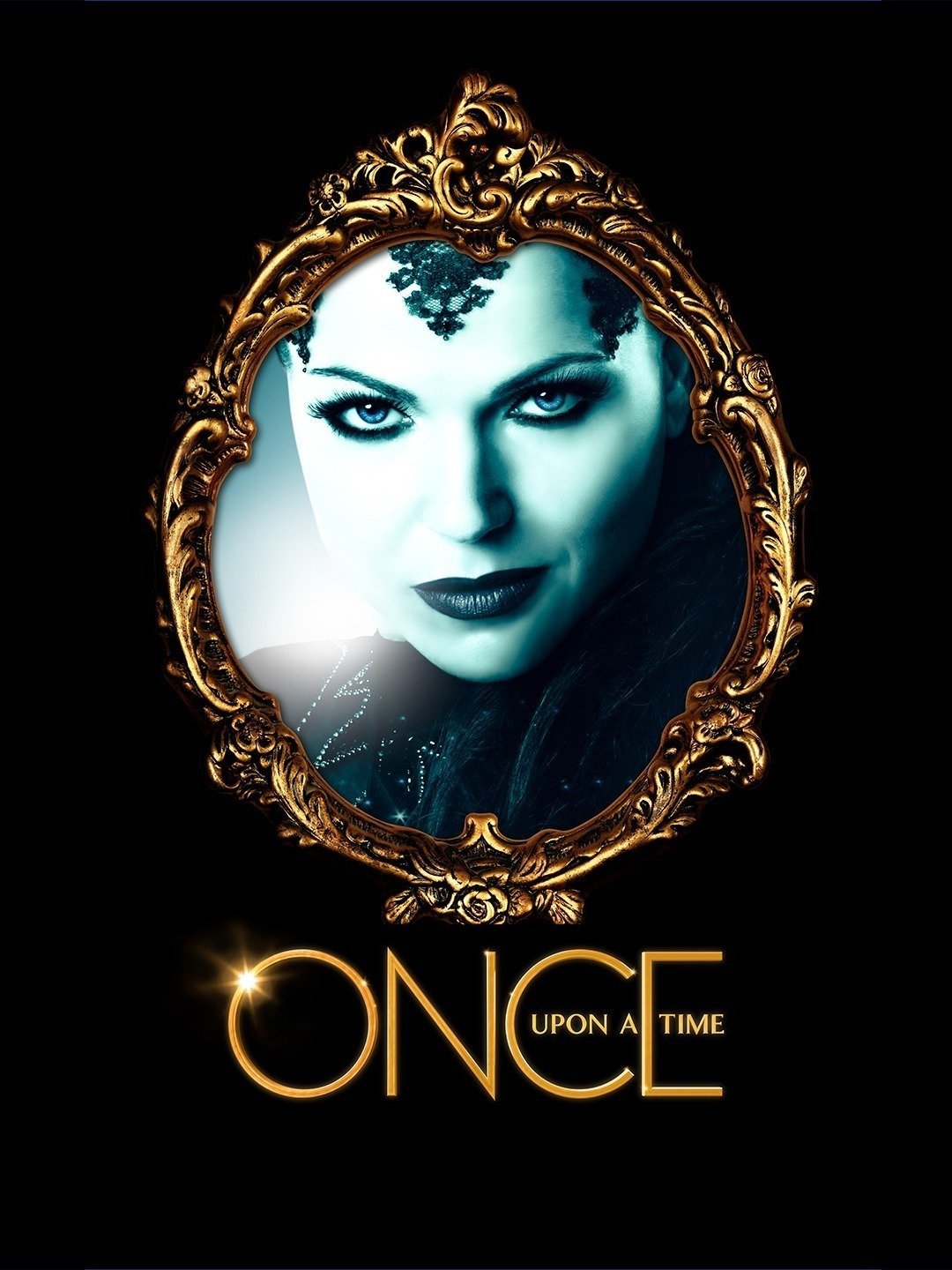
If you're a fan of fairytale twists, complex characters, and the relentless pursuit of happy endings, then "Once Upon a Time" likely holds a special place in your heart. Among its seven seasons, the third stands out as a particularly well-received chapter, garnering significant praise from both critics and its dedicated audience. It was a season that dared to split its narrative focus, taking our beloved heroes from the shadowy depths of Neverland to the vibrant, yet perilous, land of Oz, proving that even after two successful runs, the show still had plenty of magic left to weave.
"Once Upon a Time Season 3 Critical Reception & Audience Reviews" tell a compelling story: one of continued creative strength and widespread fan engagement, solidifying its place as one of the series' top-tier installments. Let's delve into why this season resonated so deeply and how it stacked up against the rest of the enchanting saga.
At a Glance: Once Upon a Time Season 3's Performance
- Overall Series Performance: The full "Once Upon a Time" series holds an 80% Tomatometer score, showcasing consistent quality across its run.
- Season 3 Critic Score: An impressive 86% on Rotten Tomatoes, ranking it among the highest-rated seasons.
- Season 3 Audience Score: A strong 85% approval, indicating significant fan satisfaction.
- Key Plotlines: Split into two distinct, high-stakes arcs: Rescuing Henry from Peter Pan in Neverland, followed by confronting the Wicked Witch of the West.
- New Character Introductions: Fan-favorites Ariel and Tinker Bell joined the cast, adding fresh dynamics.
- Critical Praises: Highlighted for its clever twists, robust character development, compelling acting, and consistently interesting plots.
- Fan Praises: Audiences appreciated the emotional depth, adventure, and continuation of beloved character arcs.
The Enchanting Journey of Season 3: A Tale of Two Halves
"Once Upon a Time" was never one to shy away from ambitious storytelling, but Season 3 truly embraced this spirit by delivering two distinct, yet interconnected, sagas within its 22 episodes. This innovative structure kept viewers on their toes, preventing any sense of narrative fatigue and allowing for a refresh in setting, villainy, and character focus mid-season.
Part 1: Lost in Neverland's Shadows
The first half of Season 3 plunged our heroes into the perilous realm of Neverland. This wasn't the whimsical island of children's stories; rather, it was a dark, foreboding place ruled by a truly menacing Peter Pan. The central mission? To rescue Henry Mills, who had been kidnapped and was central to Pan's sinister plans.
This arc pushed characters like Emma Swan, Captain Hook, Regina, and even Rumplestiltskin to their limits, forcing them to confront personal demons and make difficult choices in a strange, magical land. The shift from the familiar streets of Storybrooke to the untamed wilderness of Neverland was a breath of fresh air, providing a starkly different visual and thematic backdrop. The introduction of familiar fairytale characters like Ariel and Tinker Bell, reimagined with the show's signature spin, seamlessly blended new lore with established favorites, expanding the rich tapestry of the "Once Upon a Time" universe.
Part 2: The Wicked Threat to Storybrooke
Just when you thought the dust had settled, the second half of the season catapulted viewers back to Storybrooke, albeit with a twist: stolen memories and a new, emerald-skinned threat looming large. The Wicked Witch of the West, Zelena, burst onto the scene, bringing with her a personal vendetta against Regina and a plot to alter destiny itself.
This segment not only introduced a formidable new antagonist but also deepened the lore surrounding the show's most iconic characters, particularly Regina and Rumplestiltskin, whose pasts were unexpectedly intertwined with Zelena's. The mystery surrounding Zelena's true identity and motives, combined with the race to restore memories and defeat her, provided a gripping second act that maintained the season's high energy and emotional stakes. It proved that the show could reinvent its central conflict and still deliver a captivating experience for its audience.
For a deeper dive into the specific plot points and character arcs, consider revisiting Once Upon a Time Season 3.
Critics' Verdict: Why Season 3 Scored Big (86% Tomatometer)
The critical reception for "Once Upon a Time" Season 3 was overwhelmingly positive, landing it a solid 86% on the Tomatometer. This placed it firmly in the upper echelon of the series' run, a testament to the show's ability to maintain narrative momentum and character depth.
Reviewers particularly admired the season for several key elements:
- Intriguing Twists: The show has always excelled at reimagining classic tales, but Season 3 ratcheted up the surprise factor. The revelation of Peter Pan's true identity, for example, was a masterstroke that genuinely shocked audiences and critics alike, subverting expectations in a way that felt earned and impactful. The intricate web of connections between new and existing characters kept the story feeling fresh and unpredictable.
- Robust Character Development: With its dual narrative, Season 3 provided ample opportunity for its ensemble cast to grow and evolve. Emma Swan's journey to embrace her identity as the Savior, Hook's deepening emotional connection to Emma, and Regina's ongoing struggle for redemption were all highlighted as particularly strong arcs. The Neverland setting stripped away many comforts, forcing characters to confront their vulnerabilities and fears, leading to profound moments of self-discovery and strengthened bonds.
- Compelling Acting: The stakes were higher than ever, and the cast rose to the occasion. Ginnifer Goodwin (Snow White/Mary Margaret), Josh Dallas (Prince Charming/David Nolan), Jennifer Morrison (Emma Swan), Lana Parrilla (Evil Queen/Regina Mills), Robert Carlyle (Rumplestiltskin/Mr. Gold), and Colin O'Donoghue (Captain Hook) all delivered standout performances. The introduction of new villains like Robbie Kay's chilling Peter Pan and Rebecca Mader's delightfully wicked Zelena injected fresh energy, with critics praising their ability to embody these iconic, yet reinvented, roles with conviction and charisma.
- Interesting Plots: The two-part structure allowed for distinct narrative flavors. Neverland offered a darker, more adventurous tone, filled with mystery and danger. The Oz-inspired arc brought vibrant new aesthetics and a captivating villain with a deeply personal connection to the heroes. Critics appreciated the show's ambition in tackling such diverse stories within a single season, noting how both halves managed to maintain high quality and engagement. The seamless transition between these worlds, despite the initial memory wipe, was a feat of storytelling that kept viewers invested.
The praise underscored that "Once Upon a Time" wasn't just resting on its fairytale laurels; it was actively pushing its creative boundaries, demonstrating a willingness to take risks that paid off in critical acclaim.
The Fans Have Spoken: Audience Love for Season 3 (85% Score)
Critics might dissect plot structures and acting nuances, but audiences vote with their hearts – and for Season 3, their hearts were clearly won over, culminating in an impressive 85% audience score. This strong response mirrored the critical consensus, confirming that the creative choices resonated deeply with the show's loyal fanbase.
What specifically captured the audience's affection?
- Emotional Depth and Character Stakes: Fans were deeply invested in the personal journeys of the characters. Henry's kidnapping in Neverland created an immediate, visceral motivation for the heroes, making every moment of their quest feel urgent and meaningful. The emotional fallout from the memory curse and the subsequent battle against Zelena further explored the complex relationships and sacrifices that defined the Storybrooke family. Viewers appreciated the emphasis on themes of family, sacrifice, and the enduring power of love.
- Exciting Adventure and World-Building: The opportunity to visit Neverland and then a newly imagined Oz was a huge draw. Fans loved seeing their favorite characters navigate these iconic fairytale landscapes, which were brought to life with the show's characteristic blend of magic and danger. The fresh environments provided ample opportunity for new adventures, spells, and challenges, keeping the story visually and narratively stimulating.
- New Villains and Expanded Lore: Peter Pan and Zelena proved to be immensely popular antagonists. Peter Pan, in particular, was lauded for his terrifying cunning and unexpected lineage, offering a chilling twist on a beloved character. Zelena's vibrant personality, compelling backstory, and potent magic made her an instant fan favorite, a villain who was both menacing and surprisingly sympathetic in her motivations. These new additions felt organic to the "Once Upon a Time" universe, expanding its rich tapestry without feeling forced.
- Continued Romance and Chemistry: The romantic pairings within the show have always been a cornerstone of its appeal, and Season 3 continued to deliver. The growing bond between Emma and Hook, the unwavering love between Snow and Charming, and the rekindled passion (and complex history) between Regina and Robin Hood all resonated with viewers. The season masterfully weaved these romantic threads into the high-stakes plot, proving that heartfelt character moments could coexist with epic fantasy adventure.
- Satisfying Twists and Reveals: Like the critics, audiences thrilled at the show's ability to surprise. The bold narrative turns, from major character reveals to unexpected betrayals, kept discussions vibrant online and fostered a sense of shared excitement among the community. The payoff for these twists felt earned, deepening the overarching mythology.
The overwhelming audience satisfaction confirmed that Season 3 successfully delivered on the "Once Upon a Time" promise: blending familiar fairytales with fresh perspectives, driven by compelling characters and an emotionally charged narrative.
Where Does Season 3 Stand? A Ranking Among Fairytale Peers
Understanding the critical reception and audience reviews of Once Upon a Time Season 3 becomes even clearer when we compare it to the full scope of the series. The show had its highs and lows, but Season 3 consistently performed well, positioning itself as a fan-favorite and critically lauded chapter.
Here's how Season 3 stacked up against the other seasons based on Tomatometer (critic) and audience scores:
- Season 5: 100% critic, 75% audience
- Plot: Camelot/Dark One Emma, Underworld to save Hook.
- Reception: Critics lauded its emotional depth, energy, and fresh environments.
- Analysis: A critical darling, likely due to its bold move with Emma's storyline and well-executed fantasy settings, though audience reception was slightly cooler, perhaps due to the darker tone.
- Season 2: 100% critic, 89% audience
- Plot: Memories restored, return to Enchanted Forest, Cora and Hook introduced.
- Reception: Perfect scores for a season that deepened the lore and introduced iconic characters.
- Analysis: A standout season that successfully built upon the foundation of Season 1, delivering strong character arcs and high stakes.
- Season 6: 89% critic, 78% audience
- Plot: Evil Queen vs. Regina, Mr. Hyde, Finale Battle prophecy.
- Reception: Praised for reaching new heights with thicker plots and compelling cast.
- Analysis: A strong penultimate season, suggesting the show still had a firm grasp on its narrative strengths before major changes in Season 7.
- Season 3: 86% critic, 85% audience
- Plot: Neverland/Peter Pan, Wicked Witch/Oz.
- Reception: Admired for twists, character development, acting, and interesting plots.
- Analysis: Season 3 sits comfortably in the upper tier, demonstrating a powerful balance between critical approval and audience enjoyment. Its dual-arc structure was a major success.
- Season 1: 80% critic, 88% audience
- Plot: Introduction to Storybrooke, Emma Swan, curse breaking.
- Reception: Commended for visuals, strong cast, and interesting story.
- Analysis: The foundational season, with a slightly lower critic score but very high audience approval, showing the initial strong connection with viewers.
- Season 4: 62% critic, 81% audience
- Plot: Frozen storyline, Queens of Darkness arc.
- Reception: Critics felt the Frozen subplot was a marketing scheme, though layered tales were appreciated.
- Analysis: A noticeable dip in critical reception, suggesting some narrative missteps, particularly with the "Frozen" integration, though audience enjoyment remained quite high.
- Season 7: 43% critic (Rotten), 48% audience
- Plot: Soft reboot, adult Henry, new curse in Seattle, few original characters.
- Reception: Considered an unnecessary tack-on by many due to its new angle.
- Analysis: The most poorly received season by a significant margin, struggling with a major cast overhaul and a jarring narrative shift.
Season 3's high marks from both critics and viewers position it as a creative and popular peak for "Once Upon a Time." It managed to deliver fresh storylines and compelling character arcs without straying too far from the core appeal that had captivated audiences from the start. Unlike later seasons that faced criticism for specific plot choices or major changes, Season 3 maintained a consistent level of quality that resonated broadly.
Key Elements That Defined Season 3's Success
When dissecting why "Once Upon a Time" Season 3 garnered such high praise, several core elements emerge as critical contributors to its success. These weren't just isolated victories but rather interconnected strengths that solidified the season's reputation.
Pacing and Storytelling: The Masterful Split Season
One of the boldest and most effective decisions of Season 3 was its split-season format. Instead of dragging out a single villain or mystery, the show delivered two distinct, self-contained arcs. This prevented narrative exhaustion and allowed for a natural refresh mid-season.
- Neverland Arc (Part 1): This was a tightly focused quest, imbued with a sense of urgency. The goal was clear: save Henry. The limited setting of Neverland, though expansive in its magic, kept the cast together and the plot moving forward with fewer subplots pulling in different directions. This focused approach allowed for deep exploration of the characters' relationships and individual struggles against a truly formidable villain.
- Oz Arc (Part 2): Returning to Storybrooke with a memory wipe provided a fresh layer of mystery and danger. The introduction of Zelena, whose motives were slowly peeled back, allowed for a slower burn of suspense before erupting into full-blown conflict. This second half felt like a new mini-series, revitalizing the show's core setting with a fresh threat.
This intelligent pacing ensured that neither storyline overstayed its welcome, providing continuous excitement and satisfying conclusions before pivoting to the next challenge.
Character Evolution: Beyond the Fairytale Archetypes
Season 3 was a crucible for character development, pushing familiar heroes and villains into new, uncharted emotional territory.
- Emma Swan: Her journey in Neverland was pivotal. She was forced to confront her past and fully embrace her role as the Savior, shedding doubts and stepping into true leadership. Her growing bond with Hook also added a significant layer to her personal story.
- Regina Mills: The season delved deeper into Regina's ongoing struggle for redemption, particularly through her bond with Henry and her complex relationship with Zelena. She faced immense personal sacrifice and demonstrated continued growth, solidifying her status as one of the show's most dynamic characters.
- Captain Hook: His character blossomed from a roguish pirate to a hero capable of profound sacrifice and love. His steadfast loyalty to Emma and his gradual shedding of his villainous past were compelling to watch.
- Snow White & Prince Charming: The expectant parents faced their own challenges, learning to trust their allies and confronting the difficult choices required to protect their family and their future child. Their enduring love story provided a consistent anchor of hope amidst the chaos.
These evolutions were not just superficial changes; they were deeply integrated into the plot, making the characters' actions feel earned and their emotional arcs resonate with the audience.
Villainous Introductions: A Masterclass in Reimagining Icons
The success of a fantasy series often hinges on its antagonists, and Season 3 delivered two truly memorable ones.
- Peter Pan: Instead of the whimsical boy who wouldn't grow up, "Once Upon a Time" presented a chillingly manipulative, ancient, and utterly ruthless Peter Pan. This dark reinvention was a stroke of genius, offering a villain who was terrifyingly powerful and deeply personal to the heroes, especially Rumplestiltskin. Robbie Kay's performance was lauded for its unsettling charm and menace.
- The Wicked Witch of the West (Zelena): Rebecca Mader's portrayal of Zelena was an instant hit. She was a villain who was both campy and genuinely threatening, with a motivation rooted in deep-seated jealousy and a tragic past. Her vibrant, over-the-top personality made her a joy to watch, yet her magical prowess and ruthless ambition made her a formidable opponent. Zelena proved to be a refreshing addition, distinct from previous antagonists like the Evil Queen or Cora.
These villains weren't just obstacles; they were integral to the characters' journeys, forcing them to confront their own weaknesses and strengths.
Visuals and World-Building: Transporting Audiences to Enchanting Realms
"Once Upon a Time" has always prided itself on its visual storytelling, and Season 3 pushed these boundaries.
- Neverland: The show beautifully rendered Neverland as a wild, mysterious, and dangerous jungle island. From the ominous Skull Rock to the various magical flora and fauna, the environment felt lived-in and fantastical. The visual contrast to Storybrooke was stark and effective.
- Oz-Inspired Aesthetics: While the full land of Oz wasn't explored in depth, the introduction of Zelena brought a vibrant green aesthetic and classic Ozian motifs into Storybrooke and flashback sequences. This visual flair helped to distinguish the second half of the season and added another layer of magical lore to the show's universe.
The commitment to creating immersive and visually distinct magical worlds greatly enhanced the viewing experience and contributed to the overall sense of wonder and adventure.
Common Questions & Misconceptions About OUAT Season 3
Even with such high praise, fans and newcomers alike often have questions about certain aspects of "Once Upon a Time" Season 3. Let's clarify some common points.
Was Peter Pan a Good Villain, or Just a Gimmick?
Answer: Peter Pan in Season 3 was widely considered one of the series' most effective and genuinely terrifying villains. Far from a gimmick, his character was a dark, psychological reinvention that tapped into deep-seated fears. His manipulative nature, the unexpected reveal of his true identity (a major twist!), and his personal connection to key characters made him a formidable and memorable antagonist, praised by critics and fans for his unsettling portrayal.
Did the Show Lose its Way After the Neverland Arc?
Answer: No, quite the opposite. The transition from Neverland to the Wicked Witch arc was generally viewed as a successful pivot that revitalized the series mid-season. While some might have preferred to stay in Neverland longer, the introduction of Zelena provided a fresh threat, a new mystery, and deep connections to established characters, proving the show's ability to maintain high-quality storytelling and character development even with a change in antagonist and setting. The split-season structure was a critical success.
How Did the Wicked Witch Compare to Previous Villains Like the Evil Queen?
Answer: Zelena, the Wicked Witch of the West, carved out her own distinct place in the "Once Upon a Time" villain gallery. While Regina's Evil Queen often grappled with internal conflict and a desire for redemption, Zelena was more overtly wicked and driven by pure, unadulterated jealousy. Her theatricality, vibrant personality, and powerful magic offered a different kind of threat and entertainment. She was often seen as a refreshing change of pace, and Rebecca Mader's performance was highly acclaimed for bringing the character to life with charisma and menace, making her a formidable adversary without simply repeating past villain tropes.
Did Season 3 Introduce Any Major Plot Holes or Inconsistencies?
Answer: While "Once Upon a Time," like many long-running fantasy series, occasionally faced scrutiny for its complex mythology, Season 3 was generally praised for its narrative coherence. Any minor inconsistencies were often overlooked due to the strength of the character arcs, the compelling villains, and the exciting pacing. The show's ability to seamlessly integrate new fairytale lore with existing storylines without creating significant logical breaks was a highlight of this season. The memory wipe, for instance, served as a clever device to reset the stakes without erasing character development permanently.
Beyond the Numbers: The Enduring Legacy of Season 3
The critical reception and audience reviews of Once Upon a Time Season 3 certainly paint a picture of success, but its impact stretches far beyond mere percentages. This season left an indelible mark on the series' mythology and character dynamics, shaping its future in profound ways.
- Defining Character Arcs: Season 3 was pivotal for several key characters. Emma's full embrace of her Savior identity, Hook's transformation into a genuine hero, and Regina's continued path to redemption were all deeply solidified. These developments laid the groundwork for their subsequent actions and relationships, resonating throughout the remainder of the series.
- Expanding the Universe: The introduction of Neverland and the Oz-inspired elements significantly broadened the show's canvas. It proved that "Once Upon a Time" could venture beyond the Enchanted Forest and Storybrooke while maintaining its core identity. This expansion paved the way for future explorations of different fairytale realms and mythologies.
- Iconic Villains: Peter Pan and the Wicked Witch became instant fan favorites and are often cited as some of the show's best antagonists. Their unique backstories, powerful magic, and personal connections to the main characters made them exceptionally compelling, elevating the stakes and providing memorable confrontations. Their legacies continued to influence later seasons, whether directly or through the lingering impact of their actions.
- Fan Engagement: The season ignited passionate discussions among the fanbase. The twists, reveals, and character moments fueled online communities, fan theories, and emotional connections, strengthening the overall "Once Upon a Time" fandom. This level of engagement is a true marker of a successful season, demonstrating that the narrative had a powerful grip on its audience.
- Creative Confidence: The success of the split-season format demonstrated the showrunners' willingness to take creative risks. This confidence allowed the series to continue experimenting with its structure and storytelling, preventing it from becoming formulaic and ensuring it remained dynamic for several more years.
Season 3 was not just a collection of episodes; it was a cornerstone of "Once Upon a Time," a season that consistently delivered on its promise of magic, adventure, and heart, leaving a lasting impression on its characters and its audience.
Reliving the Magic: Why Season 3 Still Captivates Viewers Today
"Once Upon a Time Season 3 Critical Reception & Audience Reviews" clearly highlight a season that hit all the right notes, earning its place among the series' best. It struck a powerful balance between imaginative storytelling, profound character development, and relentless adventure, enchanting both critics and fans alike.
If you're looking to revisit a peak era of "Once Upon a Time," or perhaps discover what made it so special for the first time, Season 3 offers a masterclass in fantasy drama. You'll find yourself transported from the shadowy forests of Neverland to a Storybrooke haunted by the emerald glow of a wicked witch, all while watching beloved characters face their deepest fears and fight for their happy endings.
The compelling narratives, the unforgettable villains, and the emotional resonance of Season 3 ensure its enduring appeal. It's a testament to the show's ability to reinvent familiar tales and remind us that even in our world, magic is never truly far away. So, whether you're yearning for swashbuckling pirate action, high-stakes family drama, or just a good old-fashioned fairytale with a twist, Season 3 remains a magical journey well worth taking.