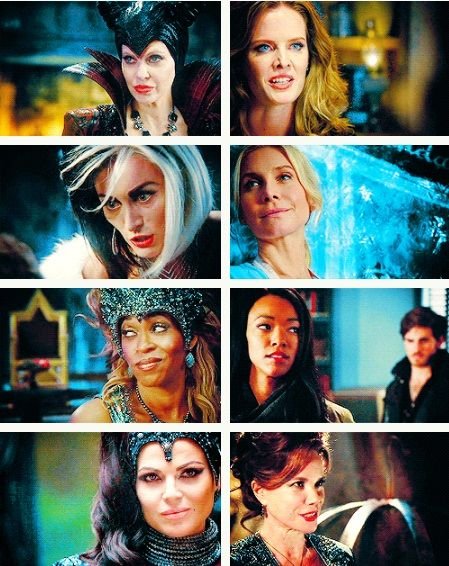
The third season of ABC's Once Upon a Time didn't just move characters; it shook Storybrooke to its core by introducing some of the show's most memorable and complex new characters and villains. Gone were the familiar struggles against the established Evil Queen or Rumplestiltskin; Season 3 of Once Upon a Time plunged our heroes into entirely new realms with fresh antagonists, forever altering the fabric of their intertwined destinies. These newcomers weren't just hurdles; they were catalysts that forced our beloved Storybrooke residents to confront deeper truths about themselves, their pasts, and the very nature of good and evil.
At a Glance: Season 3's Game Changers
- Peter Pan: The seemingly innocent boy-king of Neverland, revealed to be a horrifyingly manipulative and ancient villain with a shocking connection to Rumplestiltskin.
- Zelena, The Wicked Witch of the West: A powerful, green-skinned sorceress driven by intense jealousy, determined to rewrite history and claim the life she believes was stolen from her.
- Deepened Mythology: These introductions expanded the OUAT universe, incorporating Neverland and the Land of Oz, and explored complex themes of family, abandonment, and the corrupting nature of power.
- Heroic Evolution: Both villains forced the core cast—especially Rumple, Henry, Regina, and Emma—to make impossible choices and confront their own dark impulses.
The Neverland Nightmare: Peter Pan's Chilling Debut
When Season 3 opened, our heroes embarked on a desperate quest to Neverland to rescue Henry. What they found was not the whimsical island of children's stories, but a realm dominated by a chillingly insidious version of Peter Pan, brought to life with unsettling brilliance by Robbie Kay. This wasn't the innocent boy who wouldn't grow up; this was a calculating, ancient evil cloaked in youthful charm, preying on vulnerabilities with a master manipulator's touch.
Pan's genius lay in his ability to weaponize emotions. He didn't need brute force; he excelled at psychological warfare, tempting Henry with promises of belonging and family, exploiting his insecurities to sever him from his protectors. His magic was potent, but his true power was his cunning, turning the Lost Boys into a fiercely loyal, yet tragically misguided, army.
A Family Secret Unveiled
The true horror of Pan's character was revealed in a twist that sent shockwaves through the series: Peter Pan was none other than Malcolm, Rumplestiltskin's long-lost father. This revelation was a masterstroke, deepening the tragic layers of both characters. We learned that Malcolm, feeling inadequate and desperate for power, abandoned a young Rumple for the eternal youth and magic of Neverland. He chose power over his son, a cycle Rumple himself would later struggle to break. This backstory didn't excuse Pan's villainy, but it explained the root of his darkness, highlighting OUAT's core philosophy that even the most wicked villains often stem from profound personal trauma or desire. Pan became the mirror reflecting Rumple's deepest fears and regrets, forcing the Dark One to confront the very source of his own abandonment issues and the lengths he would go to protect his own son, Henry.
Pan's Impact on the Heroes
Pan's relentless pursuit of Henry's "heart of the truest believer" pushed Emma, Snow, Charming, and Hook to their limits. They faced an enemy who understood their weaknesses, twisted their pasts, and used their hopes against them. For Emma, it was a test of her identity as the Savior and a mother. For Hook, it was a revisit to his old hunting grounds and a confrontation with his own past darkness. Ultimately, Rumple's personal vendetta against his father, culminating in a devastating sacrifice, became a pivotal moment in the season, solidifying his complex morality and his capacity for love alongside his insatiable hunger for magic.
A Wicked Twist: Zelena, The Wicked Witch of the West
Just when the dust settled from Neverland, Storybrooke was plunged into another crisis with the arrival of Zelena, The Wicked Witch of the West, portrayed with delightfully theatrical flair by Rebecca Mader. Introduced after a time jump, Zelena immediately established herself as a formidable new force, vibrant green skin and all, with an agenda shrouded in mystery but clearly aimed at destroying everything Regina held dear.
Zelena's introduction was a masterclass in building tension. Her motives, initially unclear, soon coalesced around a fierce, all-consuming jealousy of Regina Mills. We learned that Zelena was also a daughter of Cora Mills, Regina's notoriously ambitious and manipulative mother. Abandoned by Cora as a baby, Zelena was raised in Oz, discovering her powerful magic alone. When she learned of Cora's preferential treatment of Regina, and how Cora seemingly chose to build a magical life with Regina while discarding Zelena, a deep-seated rage festered, transforming her into the Wicked Witch.
Powers, Personality, and a Personal Vendetta
Zelena was a magical powerhouse, wielding potent spells, commanding flying monkeys, and even manipulating time itself. But like Pan, her true strength came from her deeply personal connection to the existing characters. Her villainy wasn't abstract; it was rooted in a profound sense of injustice and a burning desire for a love and life she felt was stolen from her. She sought to rewrite history, to take Regina's place, and to claim everything she believed was rightfully hers—including Rumplestiltskin's unborn child and his Dark One dagger.
Her schemes were grand and intricate, reflecting her larger-than-life personality. From swapping identities with Maid Marian to orchestrating a new curse, Zelena kept the heroes constantly on edge. Her interactions with Rumplestiltskin, particularly when she enslaved him, added another layer of dark humor and genuine menace. Her backstory, a tragic tale of abandonment and sibling rivalry, made her more than a one-dimensional villain; she was a wounded soul lashing out, seeking to mend her own broken past through destructive means.
Zelena's Impact on Regina's Redemption
Zelena's presence was particularly transformative for Regina. Just as Regina was finding a semblance of peace and moving towards redemption, Zelena's arrival forced her to confront her past in a profoundly painful way. Zelena was a living embodiment of the consequences of Cora's choices and, by extension, Regina's own inherited darkness. Their dynamic explored themes of nature versus nurture, forgiveness, and the possibility of breaking generational curses. Zelena challenged Regina to define who she truly was, independent of her mother's influence or her sister's resentment. It was a brutal, yet ultimately refining, experience for the Evil Queen, pushing her further along her path to becoming a hero.
Shifting the Moral Compass: Why OUAT's Villains Mattered
Once Upon a Time always excelled at blurring the lines between good and evil, making its antagonists complex and captivating. Peter Pan and Zelena perfectly embodied this ethos, enriching the show's narrative by giving us villains who were deeply human, even when their actions were monstrous.
- Complex Motivations: Neither Pan nor Zelena were evil for evil's sake. Pan's desire for eternal youth stemmed from a fear of death and inadequacy, leading him to abandon his son. Zelena's wickedness was born from profound jealousy and the pain of maternal abandonment. These backstories made their villainy understandable, if not excusable, drawing viewers into their tragic narratives.
- Challenging the Heroes: By having villains with such personal connections to the protagonists, the stakes were always incredibly high. It wasn't just about magic battles; it was about family, identity, and the very souls of our heroes. Emma fought to protect her son, Rumple wrestled with his father, and Regina battled her own flesh and blood.
- Expanding the Universe: The introduction of Neverland and Oz as fully realized, darker versions of their classic counterparts showcased the show's ability to constantly reinvent familiar lore, providing fresh backdrops for new conflicts.
These new characters weren't just plot devices; they were integral to the show's exploration of identity, destiny, and the power of choice. They challenged the heroes, often forcing them to confront their own dark reflections, and ultimately pushing them towards greater understanding and, sometimes, greater sacrifice.
The Ripple Effect: How New Villains Reshaped the Narrative
The arrival of Peter Pan and Zelena didn't just provide new conflicts; it fundamentally reshaped the long-term narrative of Once Upon a Time.
For one, it deepened the exploration of legacy and inherited trauma. Pan’s story highlighted how Rumplestiltskin's abandonment by his father directly influenced his own choices as The Dark One, driving him to protect Henry at all costs, even sacrificing his own life. This wasn't just a plot point; it was a psychological dive into the protagonist's core motivations, tying back generations of magical power and parental failings.
Similarly, Zelena’s existence directly challenged Regina’s burgeoning redemption arc. Just as Regina found peace, an entirely new, deeply personal foe emerged, forcing her to confront the lasting impact of her mother’s manipulations and her own past darkness. Zelena wasn't just an external threat; she was a constant reminder of what Regina could have become, or what she might still regress into if she didn't embrace change fully. This dynamic added crucial emotional weight to Regina’s journey, demonstrating that escaping the "Evil Queen" moniker was an ongoing, deeply personal battle.
These villains also propelled major character developments for other heroes. Emma's journey to becoming the fully-fledged Savior was solidified in Neverland, where she had to truly believe in magic and herself. Hook’s past on Neverland with Pan was crucial in his own transition from pirate to hero, proving his loyalty to Emma and his capacity for selfless acts. The sheer scale and personal nature of these new threats forced everyone to evolve, forging stronger bonds and deeper commitments.
Beyond the Magic: Crafting Iconic Antagonists
The success of Peter Pan and Zelena wasn't solely due to their intriguing backstories or powerful magic; it was also a testament to the captivating performances by Robbie Kay and Rebecca Mader, respectively, and the masterful writing that brought these complex figures to life.
Robbie Kay’s portrayal of Peter Pan was a revelation. His youthful appearance masked an ancient, malevolent intelligence, creating an unsettling dissonance that made Pan truly terrifying. He embodied the corruption of innocence, a beloved fairy tale character twisted into a nightmare. This subversion was core to OUAT’s appeal, and Kay delivered it with chilling precision.
Rebecca Mader, on the other hand, brought a vibrant, almost theatrical menace to Zelena. Her portrayal was campy in the best possible way, allowing the Wicked Witch to be both terrifyingly powerful and deliciously dramatic. Mader infused Zelena with a palpable sense of grievance and pain, making her jealousy understandable, even as her actions remained heinous. This blend of vulnerability and viciousness made Zelena one of the show’s most enduring antagonists.
These actors, guided by nuanced scripts, transformed classic archetypes into uniquely OUAT villains—characters who were not just obstacles but integral parts of the show’s emotional and thematic landscape, leaving a lasting impact long after their initial arcs concluded.
Your Burning Questions Answered
Understanding the nuances of these characters is key to appreciating Season 3 of Once Upon a Time and beyond. Here are answers to some common questions:
Was Peter Pan truly irredeemable?
Within Season 3, Peter Pan was unequivocally presented as irredeemable. Despite his tragic backstory as Malcolm, his pursuit of power led him to abandon his son and commit heinous acts without remorse. His cunning and manipulation were so deeply ingrained that even when confronted with his past, he remained focused on his own selfish desires, culminating in his necessary defeat by Rumplestiltskin. While OUAT often explored redemption, Pan represented the rare villain who was too far gone.
How did Zelena's introduction impact Regina's character arc?
Zelena's introduction was a pivotal, deeply challenging moment for Regina. Just as Regina was embracing her heroic path, Zelena forced her to confront the deepest wounds of her past: her mother's abandonment of Zelena and the resulting bitterness. This conflict wasn't just about magic; it was a personal battle for identity and family. It solidified Regina's commitment to good, as she actively fought against the destructive path Zelena represented, demonstrating her growth beyond the Evil Queen.
Were there any other major new villains introduced in Season 3?
While Season 3 featured many familiar faces and saw established characters like Rumplestiltskin and Regina navigate complex moral territories, Peter Pan and Zelena were the primary new villains introduced during this season. They served as the main antagonists for the two distinct halves of Season 3, driving the overarching conflicts and character development.
The Enduring Legacy of Season 3's Fresh Faces
The new characters and villains introduced in OUAT Season 3 were more than just temporary adversaries; they were foundational elements that cemented Once Upon a Time's reputation for innovative storytelling and complex character development. Peter Pan and Zelena didn't just shake up Storybrooke; they forced our heroes—and viewers—to rethink everything they thought they knew about classic fairy tales, family ties, and the eternal struggle between light and darkness.
These antagonists exemplified the show's genius in making villains relatable, even in their most wicked moments, by giving them compelling backstories and personal stakes. They broadened the show's magical horizons, pushing its characters to new emotional depths and ensuring that the journey of self-discovery and redemption remained at the very heart of the narrative. Their influence reverberated through subsequent seasons, proving that the most impactful foes are often those with the most intimately personal connections to the heroes they seek to destroy.