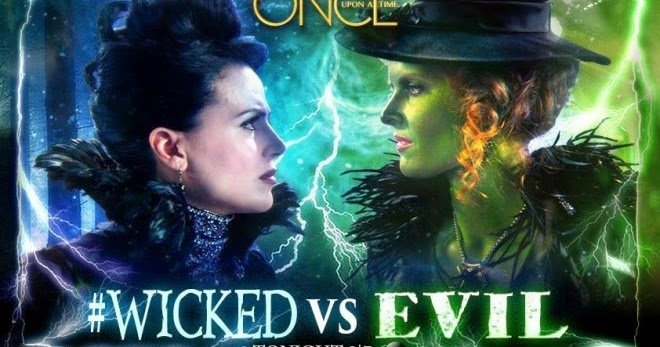
Even years after its original airing, the discussions surrounding Once Upon a Time Season 3 remain a fascinating rabbit hole. For many fans, the show's third season wasn't just a collection of episodes; it was a weekly puzzle box, a fertile ground for fervent Fan Theories & Community Discussions for Once Upon a Time Season 3. It's a testament to the show's intricate world-building that these speculative conversations still echo through fandom spaces, inviting new viewers to revisit and seasoned watchers to reminisce about the sheer thrill of trying to outsmart the writers.
This wasn't merely passive viewing; it was an active, collaborative experience. Fans poured over every hint, every flashback, every knowing glance, attempting to decode the next twist long before it hit their screens. From the tangled mysteries of Neverland to the shocking reveals of the Wicked Witch saga, Season 3 delivered a continuous stream of fuel for speculation, argument, and passionate debate across online forums, Reddit threads, and social media.
At a Glance: Diving into OUAT Season 3's Fan Theories
- Peter Pan's True Identity: The ultimate reveal that rocked the fandom and sparked countless re-watches looking for clues.
- Zelena's Origins: Speculation ran wild about her true connection to the core characters before the big reveal.
- The Rules of Magic: How did magic work? Could it be transferred? Stolen? Modified?
- Shipping Wars: The intense debate between Captain Swan (Emma/Hook) and SwanFire (Emma/Neal) reached a fever pitch.
- Time Travel Paradoxes: The consequences and implications of altering the past were a hot topic.
- Henry's Fate & Memories: Would he regain them, and what would that mean for his role as the truest believer?
- Character Redemption Arcs: Regina's ongoing struggle, Rumple's sacrifices, and Hook's journey kept fans invested in their moral compass.
Diving Into the Whirlwind: Why OUAT S3 Sparked a Fan Frenzy
Once Upon a Time always thrived on its ability to weave familiar fairy tale lore into an original, interconnected universe. Season 3 took this to a new level, introducing high-stakes conflicts and deeply personal stakes that resonated with viewers. This wasn't just about heroes and villains; it was about family, identity, choice, and consequence.
The show's structure, with its dual timelines (Storybrooke present and Enchanted Forest/flashback past), inherently encouraged theorizing. Every flashback offered a piece of the puzzle, and every modern-day dilemma hinted at hidden histories. Fans learned to look for patterns, for subtle nods, and for the classic OUAT misdirection that often masked the biggest twists. The writers, Adam Horowitz and Eddy Kitsis, were masters of the slow burn, dropping breadcrumbs that kept the community buzzing for weeks, sometimes months, on end. Understanding the intricate plots of Season Three Once Upon a Time is key to appreciating the depth of these fan discussions.
The Neverland Arc: When Peter Pan Wasn't Who We Thought
The first half of Season 3, dubbed the Neverland arc, thrust our heroes into a perilous quest to rescue Henry from the clutches of Peter Pan. This setting, iconic and loaded with existing lore, immediately fueled speculation.
Pan's Identity: The Ultimate Betrayal
Before the monumental reveal, the identity of Peter Pan was perhaps the most hotly debated topic. Fans theorized:
- A New Villain: Was he simply an ancient, cruel Pan? A twisted version of the classic tale?
- A Familiar Face: Could he be a cursed Rumplestiltskin? A time-traveling Henry? Someone else entirely from the established lore?
- The Shadow's Master: What was the true nature of the Shadow and its connection to Pan?
The reveal that Pan was, in fact, Rumplestiltskin's father, Malcolm, sent shockwaves through the fandom. This twist not only redefined Pan's villainy but also added layers of tragic irony to Rumple's character, explaining his abandonment issues and his lifelong pursuit of power. Community discussions immediately shifted to re-examining every scene with Pan, looking for subtle hints about his true identity and his connection to the Dark One. The audacity of making a beloved childhood hero into a truly terrifying antagonist, and a family member at that, solidified this arc as a fan favorite for its sheer narrative bravery.
Emma's True Savior Power: Unlocking Potential
Emma Swan, the Savior, consistently pushed the boundaries of her magical abilities throughout Season 3. In Neverland, her powers began to truly manifest, leading to fan theories about her ultimate potential:
- Unlimited Power: Many believed Emma had untapped magic far beyond anything seen, capable of breaking any curse or defeating any foe.
- The Dark Swan Foreshadowing: Some astute viewers wondered if her struggles with controlling her emotions and power hinted at a darker path, a premonition of future seasons.
- Connection to Henry: Was her magic intrinsically linked to Henry, the truest believer?
These discussions highlighted the community's investment in Emma's journey, seeing her not just as a hero, but as a symbol of latent potential and the struggle to embrace one's destiny.
Love Triangles and Fates: Captain Swan vs. SwanFire
The romantic entanglements of Season 3 were a massive driver of community discussion, particularly the burgeoning love triangle involving Emma, Hook, and Neal (Baelfire).
- Team Captain Swan: Advocates for Emma and Hook's relationship pointed to their undeniable chemistry, their shared adventurous spirit, and Hook's journey towards redemption for Emma. Fans loved their banter and the way Hook challenged Emma.
- Team SwanFire: Supporters of Emma and Neal emphasized their shared history, their son Henry, and Neal's role as Emma's first love. For many, Neal represented the 'true love' that Emma was destined for.
The tragic death of Neal, sacrificing himself to save Rumplestiltskin, effectively ended the love triangle and solidified Captain Swan as the primary romantic pairing for Emma. This event, while heartbreaking for SwanFire shippers, allowed the Captain Swan relationship to flourish and became a cornerstone of future seasons, prompting endless discussions about fate, choice, and enduring love.
Theories on Henry's Magic and Role
Henry, the truest believer, was central to the Neverland plot. Fans speculated heavily on his inherent magical abilities and his ultimate destiny:
- Developing Magic: Would Henry eventually develop his own magical powers, perhaps inheriting some from his family lines (Emma, Regina, Rumple)?
- The Next Savior: Was he destined to become a Savior himself, or was his "truest believer" status a unique kind of power?
- Immunity to Magic: Given his initial skepticism about Storybrooke, some wondered if he had a unique resistance or immunity to magical manipulation.
His journey in Season 3, particularly his mind being wiped and then restored, continuously fueled these discussions about the nature of belief and magic.
The Wicked Witch of the West: A Family Affair Gone Sideways
The second half of Season 3 introduced Zelena, the Wicked Witch of the West, after the characters returned to Storybrooke with their memories wiped. This fresh mystery reignited the fan theory engine with incredible force.
Zelena's Identity and Motives: Who is She Really?
Zelena's arrival, shrouded in secrecy and green-tinged malice, immediately prompted a torrent of speculation:
- Another Fairy Tale Twist: Fans knew OUAT loved to subvert expectations. Was she truly just the Wicked Witch, or was there more to her story?
- Connection to Storybrooke Residents: Almost instantly, fans began trying to connect Zelena to existing characters. Was she a forgotten sister, a long-lost love, or a vengeful enemy from the past?
- The Green Skin Clue: Her distinctive green skin was a massive clue, but how would it be explained in OUAT's unique mythology?
The reveal that Zelena was Regina's older half-sister, born to Cora and Rumplestiltskin's father, was another groundbreaking twist. It brought a whole new layer of tragedy and complexity to Regina's backstory and cemented Rumple's already convoluted family tree as the most dramatic in the Enchanted Forest. Discussions exploded about the implications for both Regina and Rumple, and how this hidden history would impact their futures.
Rumplestiltskin's Tangled Family Tree: Beyond the Dagger
Rumple's family relationships were consistently a source of dramatic tension and fan theories. Season 3 elevated this to an art form:
- Pan as Father: The reveal of Peter Pan as Rumple's father made fans re-evaluate his entire character arc through the lens of paternal abandonment.
- Zelena as Half-Sister: The discovery that Zelena was his half-sister (via his father and Cora) added another tragic layer to Rumple's past and explained some of his deep-seated insecurities and thirst for power.
- Neal's Legacy: With Neal's death, fans speculated how Rumple would cope with the loss of his son and how it would affect his choices moving forward.
These revelations connected nearly every major character to Rumple in some way, reinforcing his role as the central, albeit morally ambiguous, figure in the show's mythology. Fans continuously analyzed his choices, wondering if he could ever truly find redemption given his cursed lineage.
The Time Travel Paradox: What If?
When Emma and Hook accidentally traveled back in time to the Enchanted Forest, it opened a Pandora's Box of theoretical discussions:
- Butterfly Effect: What seemingly minor changes could they make that would drastically alter the future?
- Meeting Past Selves: Would they encounter younger versions of their friends or even themselves?
- Preserving the Timeline: How would they ensure they didn't erase their own existence or the existence of Storybrooke?
The segment where Emma inadvertently prevented Snow and Charming from meeting, leading to their almost-non-existence, brilliantly illustrated the dangers of time travel and provided ample fodder for "what if" scenarios among the fans. This plot device allowed the show to explore foundational moments of its own lore through a fresh, high-stakes lens.
Regina's Journey: Redemption and Rivalry
Regina's ongoing path towards redemption was a core theme of Season 3, especially in her rivalry with Zelena.
- True Redemption?: Fans debated whether Regina could ever truly shed her "Evil Queen" persona and earn the trust and forgiveness of those she'd wronged.
- Maternal Love: Her love for Henry was a key component of her redemption, and fans often theorized about the depth of this love and how far she'd go to protect him.
- Sisterly Rivalry: The conflict with Zelena added a new dimension to Regina, forcing her to confront her past and the consequences of Cora's actions.
The community largely rallied behind Regina's redemption arc, eager to see her overcome her past and embrace her role as a hero. Her journey resonated deeply, showing that even the most villainous characters could find a path to light.
Unpacking the Magic: Broader Lore Discussions
Beyond specific plot points, Season 3 provoked wider discussions about the fundamental mechanics and lore of the Once Upon a Time universe.
The Rules of Magic: Where Did It Come From?
- Inherited vs. Learned: Was magic an inherent trait, passed down through bloodlines, or something that could be learned and cultivated?
- Price of Magic: The show's core principle that "all magic comes with a price" was constantly explored. What was the ultimate cost? How could it be paid?
- Types of Magic: Fans speculated on the different forms of magic (light, dark, elemental, curse-breaking) and their unique properties.
Zelena's attempts to manipulate magic, steal powers, and even travel through time pushed the boundaries of what fans thought was possible, leading to intense debates about the consistent rules of the universe.
Memory Loss & Curses: The Ever-Present Threat
Memory wipes and curses were recurring motifs in OUAT, and Season 3 utilized them prominently, especially with the second curse at the beginning of 3B.
- The Nature of Memory: How did memories work in the OUAT universe? Could they be truly erased, or merely suppressed?
- The Triggers: What caused curses to break? Was it true love's kiss, belief, or something else entirely?
- Impact on Identity: How did memory loss affect a character's sense of self and their relationships?
These discussions delved into the psychological impact of the show's magical elements, exploring how identity itself could be a mutable concept in Storybrooke.
The Dark One's Legacy: Power and Corruption
Rumplestiltskin's identity as the Dark One was foundational, and Season 3 further explored the complexities of this cursed power.
- The Dagger's Control: How absolute was the control exerted by the Dark One's dagger? Could the Dark One truly act against the will of its wielder?
- Resisting the Darkness: Could anyone truly wield the power of the Dark One without succumbing to its corrupting influence?
- Breaking the Cycle: Was it possible to permanently destroy the Dark One's power, or was it an eternal force?
Rumple's near-death experiences and his constant struggle with the Dark One's impulses sparked philosophical debates about free will, destiny, and the corrupting nature of ultimate power.
Navigating the Fandom: How Theories Take Hold (and Why They Matter)
Understanding fan theories isn't just about knowing what people thought; it's about appreciating how and why those thoughts coalesced into a vibrant community discussion.
The Anatomy of a Good Theory: Clues, Canon, and Creativity
A strong fan theory usually involves several key components:
- Observational Clues: Paying close attention to dialogue, visual cues, props, and character reactions within the show.
- Canon Knowledge: Drawing upon established OUAT lore, character backstories, and the show's internal rules of magic.
- Fairy Tale Mythology: Incorporating knowledge of traditional fairy tales and myths, then speculating how OUAT might adapt or twist them.
- Pattern Recognition: Identifying recurring themes, character arcs, or narrative structures the show often employs.
- Logical Deduction: Connecting the dots in a way that makes sense within the show's universe, even if it's speculative.
- "What If" Scenarios: Exploring alternative possibilities and their potential implications.
For example, the Pan-as-Rumple's-father theory gained traction not just from a vague sense of a twist, but from clues like their shared mannerisms, Pan's specific taunts to Rumple, and the show's history of complex family reveals.
Common Pitfalls: Headcanon vs. Show Lore
While theorizing is fun, it's easy for fans to fall into certain traps:
- Headcanon Over Canon: Believing a personal interpretation or desire for a storyline outweighs what the show has actually established or hinted at.
- Confirmation Bias: Only seeking out and interpreting clues that support a pre-existing theory, ignoring contradictory evidence.
- Over-Analyzing Everything: Attributing deep meaning to every background detail or minor line of dialogue, even when it might just be set dressing or a throwaway line.
- Spoilers as Theories: Confusing leaked information or outright spoilers for genuine speculative theories.
A healthy fan community understands the distinction. Discussions often involve respectfully challenging each other's theories based on established canon, leading to a richer, more robust understanding of the show's narrative.
Where the Discussions Happen: Forums, Reddit, Social Media
During Season 3's original run, and even today, these discussions found homes in various digital spaces:
- Dedicated Forums: Many official and unofficial Once Upon a Time forums were bustling with theories, episode recaps, and character analyses.
- Reddit (r/OnceUponATime): The subreddit was a particularly active hub for episode discussion threads, "theorycrafting" posts, and long-form analysis. It remains a valuable archive of past discussions.
- Tumblr: Known for its vibrant fan art, GIFs, and detailed text posts dissecting episodes, character relationships, and hidden meanings.
- Twitter: Used for real-time reactions during broadcasts, short-form theories, and direct engagement with cast and crew (who sometimes subtly reacted to theories).
These platforms allowed for immediate, global interaction, creating a sense of shared anticipation and discovery that was a hallmark of the Once Upon a Time viewing experience.
Your Guide to Reliving the Theories: What to Look For Today
If you're new to Once Upon a Time or are revisiting Season 3, understanding the historical fan theories can profoundly enhance your viewing experience. It's like having a secret decoder ring for the nuances and subtle foreshadowing that the writers wove into every episode.
As you watch, consider these points:
- Pay Attention to Foreshadowing: The show was a master of laying breadcrumbs. Look for seemingly innocuous lines or character interactions that, in retrospect, hint at major reveals (like Pan's true identity or Zelena's parentage).
- Analyze Character Motivations: Ask yourself why a character is acting a certain way. What might be their hidden agenda or suppressed past? This is where many theories about Zelena's connection to Rumple's past originated.
- Question Assumptions: Once Upon a Time constantly subverted traditional fairy tale tropes. Don't assume you know a character's story just because you know the original tale.
- Notice Repetitive Themes: The show often revisited themes like family, destiny, choice, and the price of magic. How do these themes manifest in different character arcs throughout the season?
- Engage with the Archive: Dive into old Reddit threads, forum discussions, or Tumblr tags from when Season 3 originally aired. Seeing how fans reacted in real-time, what they predicted, and what surprised them offers a fascinating look into the show's cultural impact.
By approaching Once Upon a Time Season 3 with an awareness of the rich tapestry of fan theories it inspired, you're not just watching a story unfold; you're participating in a conversation that spanned years, uncovering the layers of meaning that made this season so compelling. It's an experience that truly connects you to the heart of the fandom, celebrating the ingenuity of the show's storytelling and the passion of its dedicated viewers.